Shipping within the following cities only (Makkah - Jeddah - Riyadh - Dammam - Khobar - Buraidah)
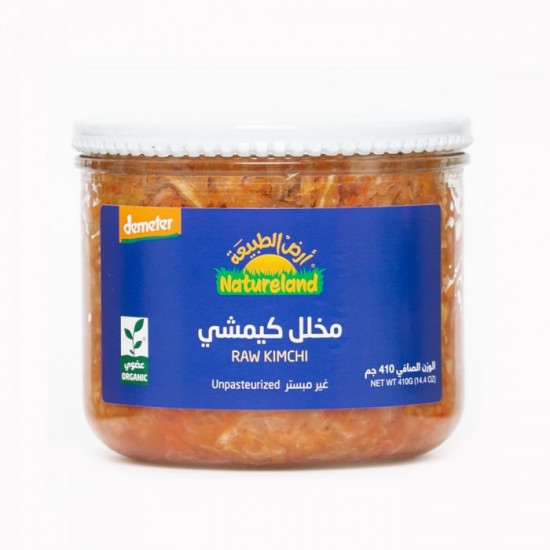
What is Kimchi
Kimchi is probably the best-known
Korean dish—a traditional side serving of fermented cabbage, carrots, radish,
onions, ginger, garlic, and other traditional ingredients. Being a fermented
mix of healthful veggies and condiments, Kimchi is bursting with many different
strains of lactic acids bacteria (LAB), which give Kimchi its unique taste and
wide-ranging health benefits.
100% Organic
Never Pasteurized
Fermented in the Jar
Certified Biodynamic
What Does Kimchi Taste Like?
Kimchi has a unique taste which can
make people either love it or hate it. It is sour like vinegar and has a
dominant garlic taste. Being fermented, it is pungent in taste and smell and
can jolt your taste buds with its effervescence. Kimchi is less acidic than
Sauerkraut but spicier. Whilst maturing, Kimchi can be adapted to personal
taste. The longer it matures, the sourer it becomes.
Origin
The base of our Kimchi is the open
pollinated type of cabbage “Marner Lagerweiß“ from Kultursaat e. V., cultivated
and regionally adapted at our biodynamic farm in Hedwigenkoog – in the middle
of the traditional cabbage growing area of Dithmarschen in northern Germany.
Ingredients and Production
For production, the cabbage is cut,
spiced with traditional ingredients like ginger, chili and garlic, salted with
rock salt from the Luisenhall salt mine in Göttingen and then stuffed firmly
into a jar. As the Kimchi matures in the jar, without interruption by
pasteurisation, the valuable, bioactive ingredients are preserved. Stored in a
fridge, it keeps for three months.
Labeling and packaging are handled
by a subsidiary project of "Stiftung Mensch," the largest German
social foundation.
Health Benefits of Kimchi
Numerous studies indicate that
Kimchi has anti-oxidative, anti-aging, anti-mutagenic, anti-cancer,
anti-obesity, immune-stimulatory, and other health benefits.
Packed with Nutrients and Probiotics
May Boost Immune System Health
May Improve Digestive System Health
Helps Prevent Fungal and Yeast
Infections
May Relieve Constipation
May Reduce Inflammation
May Help Reduce Weight
May Improve Heart Health
May Reduce Cholesterol
Beneficial in High Blood Pressure
Beneficial for Diabetes Prevention
and Management
May Prevent Cancer
Beneficial for Colitis
May Have Anti Aging Effects
May Improve Brain Health
May Prevent Depression
What’s the Best Way to Eat Kimchi?
The sour and hot Kimchi is a staple
of Koran cuisine and can be consumed in a variety of ways. The fermented
cabbage and herbs go perfectly with Asian rice- and meat dishes of all kinds,
or can be used as a base for savory soups. You can add Kimchi to scrambled
eggs, put it in tacos or pizza, layer it on grilled cheese, stir it into soups
or stews, or just eat it as is from the jar.
Some people may like to warm up
their Kimchi. Heating up seems to mellow down the tangy and pungent taste and
odor. However, Kimchi may lose most of its probiotics if you heat it above 106°
F (41.1° C).
For optimum benefits, add
unpasteurized fermented Kimchi from the jar to your food. And when you get to
the bottom, don’t throw away that residual Kimchi juice because it’s the best
part. Gulp it down or pour it on your salad.
How Much Kimchi Should I Eat Daily?
A typical serving of Kimchi is
approximately 100 grams. That’s at least how much the average Korean consumes
daily.
Reviews
1/5
★★★★★★★★★★
Based on 1 ratings
ف
فؤاد سليم حرب
★★★★★★★★★★
•
كيف نستطيع الحصول عليه ، أنا اعيش في لبنان قرأت الكثير عن فوائد الكيمتشي الكوري وارغب بالحصول عليه
رد المتجر
نعتذر لنفاذ المخزون
الشحن غير متاج حاليا لدولة لبنان
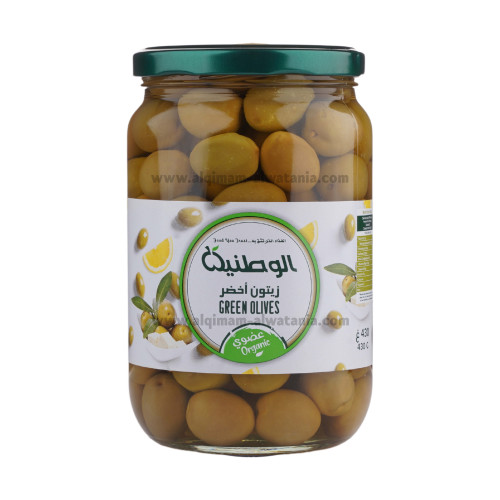
Al Wataniya Pickled Olives in Water comes in a 430g pack. These olives are made from organic olives pickled in brine with organic lemon, making them a..
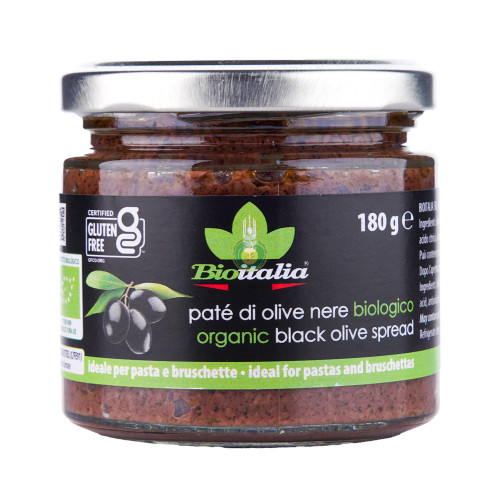
اسم المنتج :زيتون اسود عضوي قابل للدهنانتاج : ايطاليا تاريخ الانتاج : 14/5/2025تاريخ الانتهاء:14/5/2028وصف المنتج :استمتع بمذاق الزيتون الاسود الطازج ..